
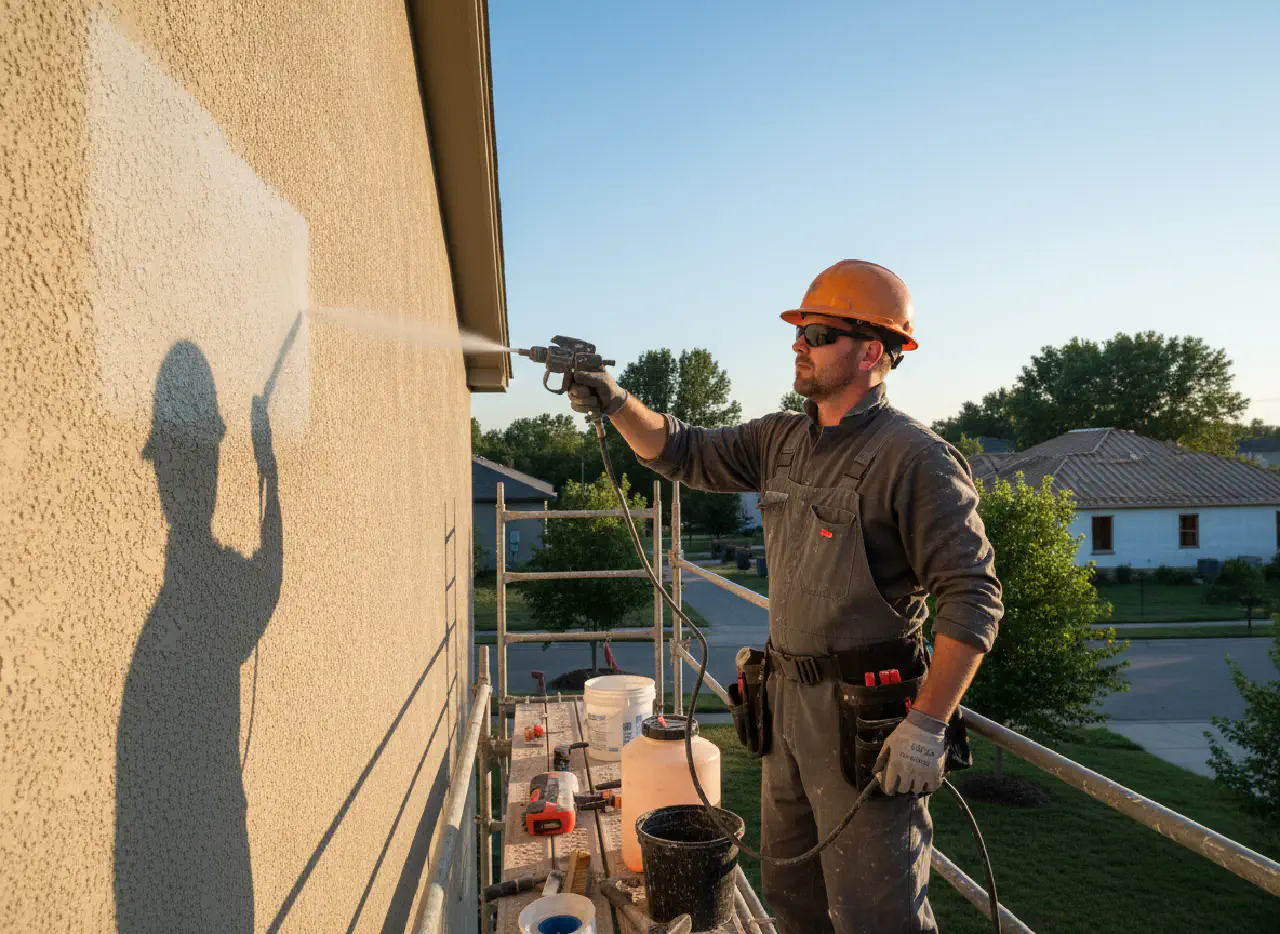
Stucco waterproofing is one of the most effective ways to protect buildings in Lee County from long-term moisture damage. By sealing exterior walls before problems develop, property owners can extend the life of their stucco, reduce maintenance costs, and avoid expensive interior repairs.
Signs Your Stucco Needs Waterproofing
-
⚠
Recurring Moisture Issues
Water stains or dampness returning even after minor stucco repairs.
-
⚠
South or West-Facing Walls
Walls exposed to intense sun and wind-driven rain showing faster wear.
-
⚠
Chalky or Faded Stucco Finish
Breakdown of the stucco surface that reduces natural water resistance.
-
⚠
Previous Crack or Patch Repairs
Areas that were repaired but not sealed against future moisture.
-
⚠
Coastal or Waterfront Exposure
Homes affected by salt air, wind, and heavy storms.
-
⚠
Before Repainting Exterior Walls
Stucco that should be sealed before applying new paint or coatings.
Why Stucco Waterproofing Is Essential in Lee County
Lee County’s climate places constant stress on exterior wall systems. High humidity, frequent rainfall, and wind-driven storms make moisture intrusion one of the most common causes of stucco failure.
Heavy Seasonal Rainfall
Lee County receives over 50 inches of rain annually, with most falling between June and October. Afternoon storms often deliver intense rainfall in short periods, forcing water against exterior walls.
High Humidity Levels
Average humidity regularly exceeds 70%, slowing drying time and allowing moisture to linger behind stucco surfaces if not properly sealed.
Wind-Driven Rain and Storm Exposure
Tropical storms and hurricanes push rain horizontally into walls, particularly on south and west-facing elevations in Fort Myers, Cape Coral, and Bonita Springs.
Coastal Conditions
Salt air accelerates material breakdown on coastal and near-coastal properties. Without waterproofing, stucco becomes more porous over time.
Preventative Protection Saves Money
Waterproofing helps prevent substrate damage, wood rot, interior wall staining, and mold growth—avoiding repairs that can cost several times more than proactive sealing.
Our Stucco Waterproofing Process
Exterior Wall Assessment
We inspect stucco surfaces, repaired areas, joints, and penetrations to identify moisture risk zones.
Surface Preparation
Stucco is cleaned to remove dirt, mildew, and contaminants that interfere with proper sealing.
Crack and Repair Integration
Existing cracks or patches are addressed or verified before waterproofing begins.
Application of Waterproofing System
A breathable waterproofing product is applied to repel water while allowing moisture vapor to escape.
Detail Sealing
High-risk areas such as windows, doors, and transitions receive additional protection.
Final Inspection
Coverage is reviewed to ensure uniform protection and proper curing.
Common Stucco Waterproofing Issues We Address
Wind-Driven Rain Exposure
Walls that repeatedly absorb moisture during storms.
Porous or Aging Stucco
Stucco that has lost its natural water resistance.
Window and Door Transitions
High-risk areas where moisture often enters.
Post-Repair Protection
Sealing repaired areas to prevent recurrence of damage.
Coastal Wear
Accelerated breakdown from salt air and wind exposure.
Large Wall Surfaces
Commercial and multi-unit buildings needing uniform protection.
Stucco Waterproofing Throughout Lee County
We provide professional stucco waterproofing throughout Lee County, including Fort Myers, Cape Coral, Bonita Springs, Estero, and Lehigh Acres.
Waterproofing services are commonly requested for residential homes, HOA communities, commercial buildings, and multi-unit properties exposed to Florida’s weather conditions.
Related Stucco Services
Stucco Waterproofing FAQs
Does stucco waterproofing stop all water intrusion? ▼
How long does stucco waterproofing last? ▼
Can stucco still breathe after waterproofing? ▼
Is waterproofing the same as painting? ▼
When is the best time to waterproof stucco? ▼
Need Stucco Waterproofing?
Get a free inspection from Lee County's trusted stucco repair experts.